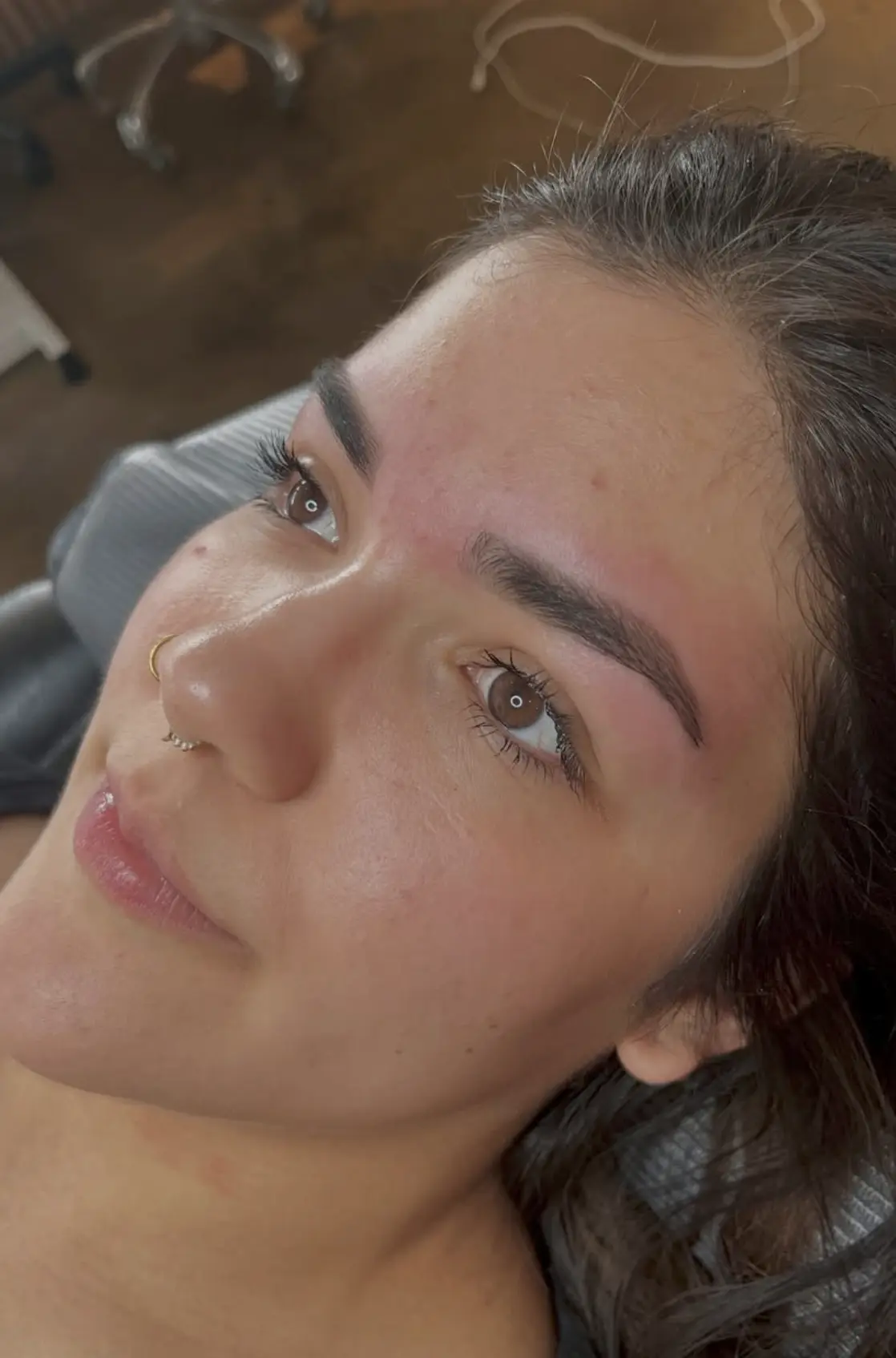
Waxing is one of the best hair removal methods, leaving the skin smooth and hair-free for weeks. But dealing with stubborn stubble after waxing can be a real bummer. If you notice short, prickly hairs popping up soon after your waxing session, you’re not getting the full benefits of your treatment. Understanding the hair growth cycle, including the anagen phase and other hair growth phases is key to a stubble-free finish. Just like lash lamination lifts and sets the natural lashes in place, and feather brows create a softer, fuller appearance, proper waxing techniques remove hair from the root, helping prevent stubble and ingrown hairs. Just like a lash extension adds volume and length to the lashes, effective waxing creates a smooth skin surface by targeting hairs in the optimal growth stage. Here’s how to prevent stubble after waxing and keep your skin silky smooth for longer.
Waxing Success & Hair Growth Cycles
Waxing success depends on where your hair is in its growth stage. Hair grows in cycles: anagen, catagen and telogen phases. The anagen phase or active growth stage is the best time to remove unwanted hair, as it allows the hair shaft to be fully removed from the follicle via waxing.
Hair growth rate and hair type also affect waxing. Hair can be straight hair, wavy hair or coarse hair and each responds differently to waxing. Frequent waxing helps synchronise hair growth cycles and makes hair softer over time. Understanding how waxing works in relation to the growth cycle can help prevent annoying stubble and ingrown hairs post-treatment.
1. Exfoliate Regularly
Dead skin cells can trap hair under the surface, causing ingrown hairs and stubble. Exfoliating a few times a week helps remove dead skin cells so hair can be pulled out more efficiently.
- Use a gentle scrub or exfoliating mitt 24 to 48 hours post-waxing.
- Exfoliate 2-3 times a week to manage hair growth and prevent excessive growth.
- Consider using skincare products with salicylic acid to reduce irritation and experience irritation less often.
2. Moisturize Daily
Moist skin is key to a smooth finish after waxing. Moist skin is more pliable, with less hair breakage at the root. Dry skin, on the other hand, can cause the hair shaft to snap, and stubble will persist.
- Apply a lightweight, fragrance-free body lotion daily to keep skin soft.
- Moisturize to minimize contact and skin irritation especially on sensitive skin.
- Post-care products help reduce the chances of ingrown hairs after waxing.
3. Get The Right Hair Length
Hair that’s too short or too long won’t be removed properly.
- Hair should be at least 1/4 inch long (about the size of a grain of rice) for best results.
- If the hair is too short waxing won’t work.
- If the hair is too long it will break instead of being fully removed and you’ll end up with stubble.
- The hair growth stage matters; hairs in the anagen stage are easier to remove fully.
4. Choose The Right Waxing Technique and Products
Correct waxing technique is key to preventing stubble.
- Wax should be applied in the direction of hair growth and removed against it.
- Use high-quality wax suitable for your skin type (hard wax for sensitive skin, soft wax for large areas) for smoother results.
- Regular waxing means hair in terms of growth cycles is consistent, with no uneven patches of hair.
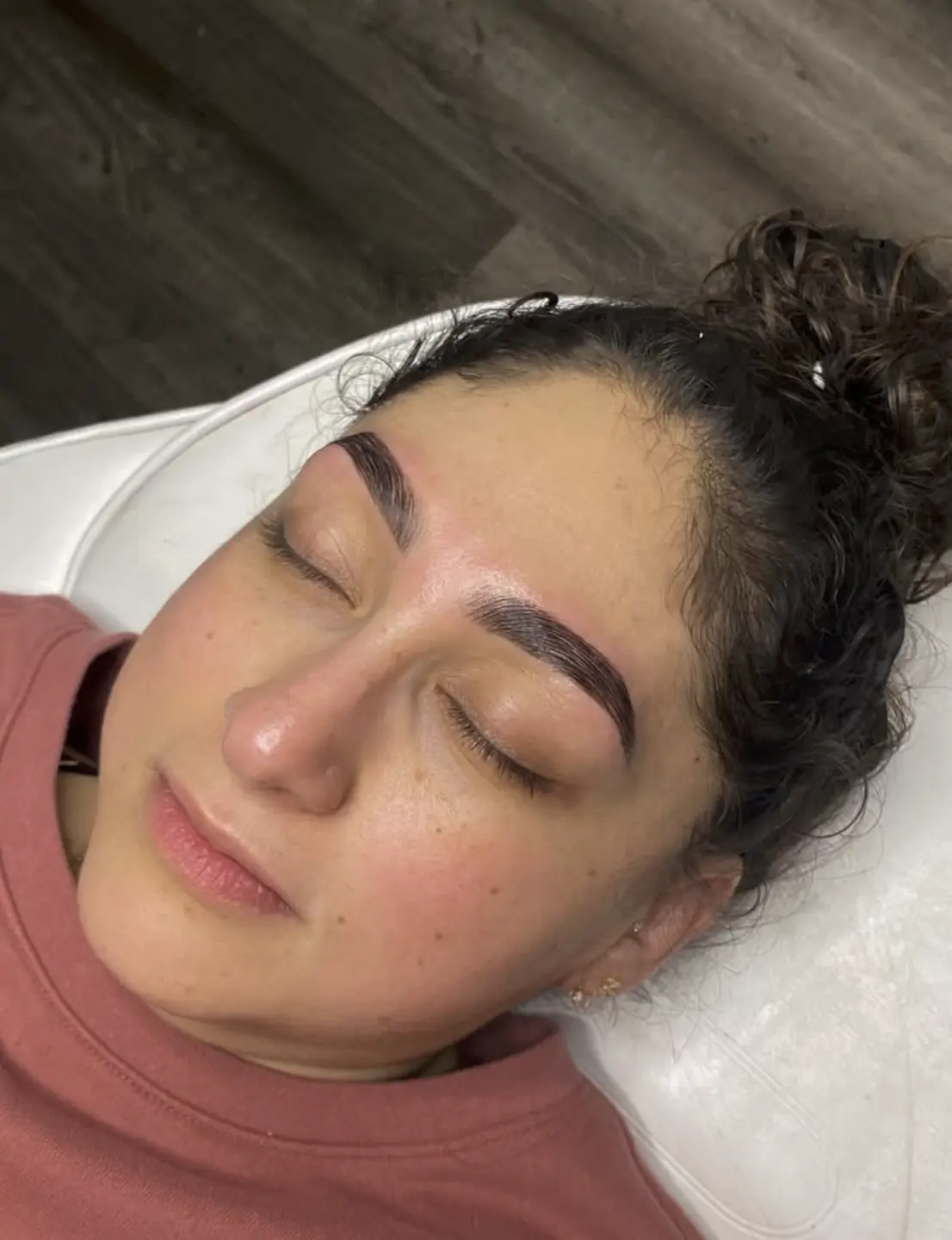
5. Don’t Shave Between Waxings
Shaving between waxing sessions disrupts the hair growth cycle.
- Shaving causes hair to grow unevenly and disrupts hair growth phases.
- Stick to a regular waxing schedule (every 3 to 6 weeks) to maintain consistent growth cycles.
- Frequent waxing means hair grows softer and finer over time.
- First-time waxers should not shave at all to get the full benefits of waxing.
6. Treat and Prevent Ingrown Hairs
Ingrown hairs after waxing are common and can look like stubble.
- Use an ingrown hair treatment with salicylic acid to help hair come out properly.
- Apply gentle exfoliating products and ingrown hair serums to keep pores clear.
- Regular waxing services prevent more hair from growing unevenly.
7. Consider Professional Waxing
While at-home waxing may be tempting, professional body waxing services give better results.
- A pro knows the proper waxing technique to remove hair from the follicle, which is a core skill taught in an eyebrow waxing and tinting course.
- A pro does facial waxing and full-body waxing to prevent stubborn stubble.
- Frequent waxers benefit from professional services as they help regulate growth cycles.
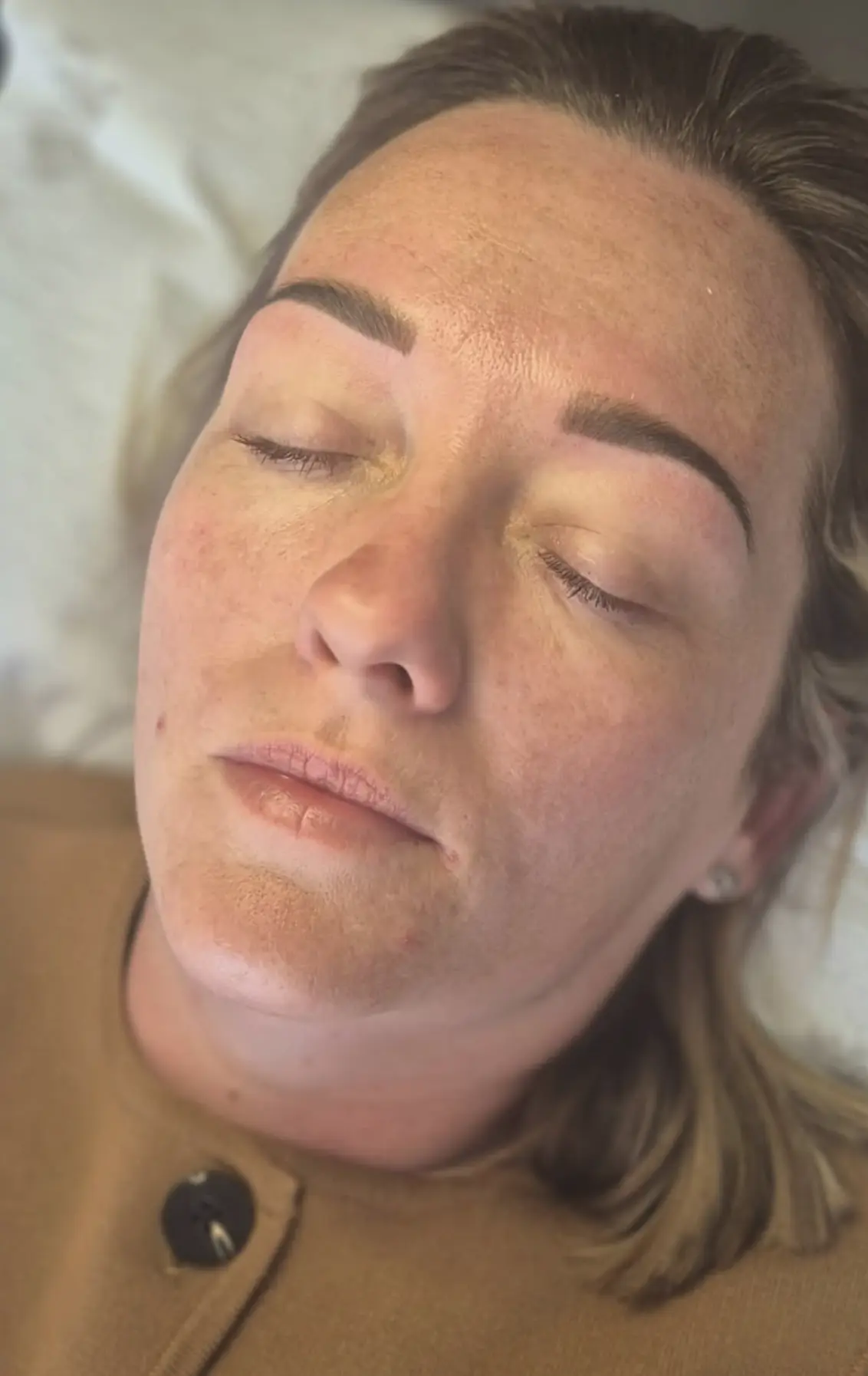
8. Understand Hair Growth and Waxing
Hair growth cycles matter when it comes to waxing results.
- Waxing effectiveness depends on the growth cycle phase during your appointment.
- Dormant hair phases affect hair growth rate.
- Weeks of growth after waxing determine how soon stubble appears.
- Dark hair grows faster than light hair.
By following these tips you can have smooth skin for longer and prevent stubble. If unsure about your waxing schedule, consult a professional for best results in facial waxing, full-body waxing, eyebrow wax and tint services and ongoing body hair maintenance.
FAQ
Why do I still have stubble after waxing?
Stubble after waxing usually happens because the hair was too short, was broken instead of pulled from the root or was an ingrown hair trapped in the skin.
How long should I wait between waxings?
3 to 6 weeks is the best interval between waxings. This allows the hair to grow to an optimal length and aligns with the hair growth cycles.
Can I exfoliate after waxing?
No, don’t exfoliate for at least 48 hours after waxing to prevent irritated skin and irritation. After this period, gentle exfoliation will help prevent ingrown hairs.
Will moisturizing help reduce stubble?
Yes! Moisturizing with the right aftercare products ensures that hair is removed more efficiently and reduces potential irritation.
What if I still have stubble after waxing?
If you see stubble, don’t touch up shaving or common shaving. Exfoliate, moisturize and schedule your next waxing session at the right growth stage to prevent future stubble.